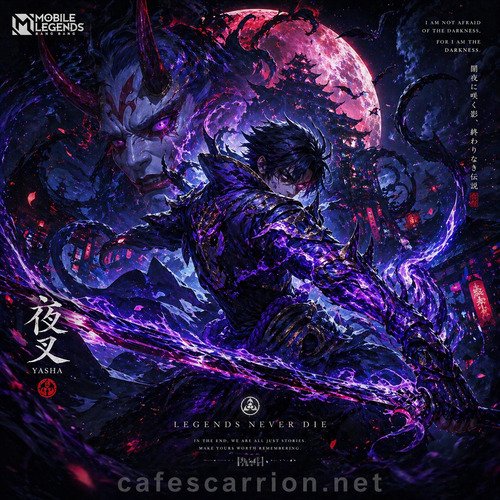
cafescarrion.net – Mobile Legends: Bang Bang is built around hero diversity, where every match feels different depending on the composition, mechanics, and decision-making of both teams. Each hero is designed with a unique identity, and understanding how these heroes interact within a team environment is what ultimately defines consistent victory. Winning is not just about picking strong heroes, but about knowing how to use them, when to rotate, and how to adapt as the game develops from early skirmishes to late-game team fights.
Hero Roles and How They Shape Team Composition
Every hero in Mobile Legends belongs to a specific role that defines their purpose in the battlefield. These roles are not just labels but frameworks that determine positioning, responsibilities, and interaction with other heroes.
Tanks are the foundation of team fights, designed to absorb damage and create opportunities for teammates. They often lead engagements by initiating fights with crowd control abilities that disrupt enemy positioning. A strong tank does more than soak damage—they control space, deny enemy vision, and create pressure that forces opponents into uncomfortable positions.
In real gameplay, tanks must constantly evaluate risk versus reward. Engaging too early can result in a failed fight, while hesitation can allow enemies to secure objectives uncontested. Their effectiveness often depends on map awareness and communication, as they are usually the first to make contact in team fights.
Assassins and Precision Eliminations
Assassins operate differently from frontline heroes, relying on speed, timing, and burst damage to eliminate key targets. Their primary objective is to remove damage dealers like marksmen or mages before they can fully contribute to a fight. Unlike tanks, assassins thrive in chaos and punishment opportunities.
Positioning is everything for assassins. They rarely initiate fights but instead wait for enemies to overextend or waste key abilities. A well-timed entry can instantly shift the balance of a battle. However, poor execution often leads to instant elimination, making assassins one of the most high-risk, high-reward roles in the game.
Marksmen and Late Game Power Scaling
Marksmen are the primary source of sustained physical damage, especially in the late game. They start relatively weak in the early phase but gradually become unstoppable damage dealers when properly farmed. Their strength lies in consistent attacks and positioning rather than burst mechanics.
During team fights, marksmen rely heavily on protection from tanks and supports. If left unchecked, they can dismantle entire teams from a safe distance. However, they are extremely vulnerable to assassins and require careful positioning and awareness throughout the match.
Game Phases and Strategic Adaptation
Understanding hero roles is only part of the equation. To truly master Mobile Legends, players must adapt their playstyle depending on the phase of the game. Each stage introduces different priorities and decision-making requirements.
The early game is focused on establishing lane stability and building a foundation for mid-game strength. Heroes prioritize farming minions, avoiding unnecessary risks, and gathering information about enemy movements. Small advantages such as creep control or early kills can significantly influence later stages.
Map awareness is crucial during this phase. Players must constantly monitor rotations and anticipate ganks. Even a single mistake in positioning can lead to early snowballing by the enemy team. Good early-game discipline often determines how comfortable the mid game will be.
Mid Game Objective Pressure and Rotations
As the game transitions into mid phase, team fights and rotations become more frequent. This is where coordination plays a major role, as teams begin fighting over objectives like Turtle and outer turrets. Winning these fights provides gold advantages and map control that can dictate the rest of the match.
Heroes begin to group more often, and individual laning becomes less important than team synergy. Assassins look for picks, tanks initiate fights, and mages provide zoning damage. Proper timing and coordination during rotations often decide which team gains control of the map.
Late Game Decision Making and Final Fights
Late game is the most intense phase, where one mistake can end the entire match. Respawn timers are long, and objectives become extremely valuable. Teams play more cautiously, waiting for the perfect opportunity to engage.
Positioning becomes the most critical factor. Marksmen must stay protected while maximizing damage output, assassins must wait for openings, and tanks must identify the right moment to initiate. Team fights are often decided within seconds, making precision and patience essential.
Once players understand roles and game phases, the next step is mastering deeper aspects of gameplay. This includes adaptability, prediction, and advanced decision-making that separates casual players from competitive ones.
Flexible Item Builds and Situational Adaptation
Itemization is a powerful tool that directly influences hero performance. Choosing the right items based on enemy composition can significantly increase survival and damage output. For example, defensive items can counter burst-heavy teams, while penetration items are effective against tank-heavy compositions.
Adaptability is key. Sticking to a fixed build often leads to inefficiency, especially when facing diverse opponents. Skilled players adjust their builds dynamically depending on how the game unfolds, ensuring they remain effective in every stage.
Draft Strategy and Hero Synergy
The draft phase is where matches are often won or lost before they even begin. Understanding hero counters and synergy allows teams to build compositions that complement each other. A balanced team usually includes a tank, damage dealers, sustain, and crowd control.
Counter-picking also plays an important role. Selecting heroes that directly counter enemy choices can disrupt their strategy and force them into uncomfortable situations. Good drafting is about predicting enemy intentions and building a team that can handle multiple scenarios.
Macro Awareness and High-Level Decision Making
Macro gameplay refers to overall map control, rotations, and objective prioritization. It is one of the most important aspects of high-level play. Players with strong macro awareness know when to push lanes, when to rotate, and when to secure objectives.
Decision making ties everything together. Even with strong mechanics, poor decisions can lead to losing fights or objectives. High-level players constantly evaluate risk, track enemy positions, and make calculated moves that maximize team advantage.
Conclusion The Complete Guide to Mobile Legends Heroes: Roles, Playstyles, and Winning Strategies
Mobile Legends heroes are more than just characters with abilities—they represent different strategic roles that shape the entire flow of the game. Understanding how tanks, assassins, marksmen, mages, and supports interact allows players to build stronger team compositions and make smarter decisions.
Mastery comes from combining mechanics with awareness, adapting to different situations, and understanding the timing of every action. Whether it is early-game farming, mid-game rotations, or late-game team fights, every phase requires a different mindset. Players who can adapt, communicate, and execute strategies effectively will consistently perform at a higher level and gain a deeper appreciation of the game’s competitive depth.